MED-UP Erasmus+ Project Meeting: National Workshop on Quadruple Innovation and the Role of Universities in Community Engagement
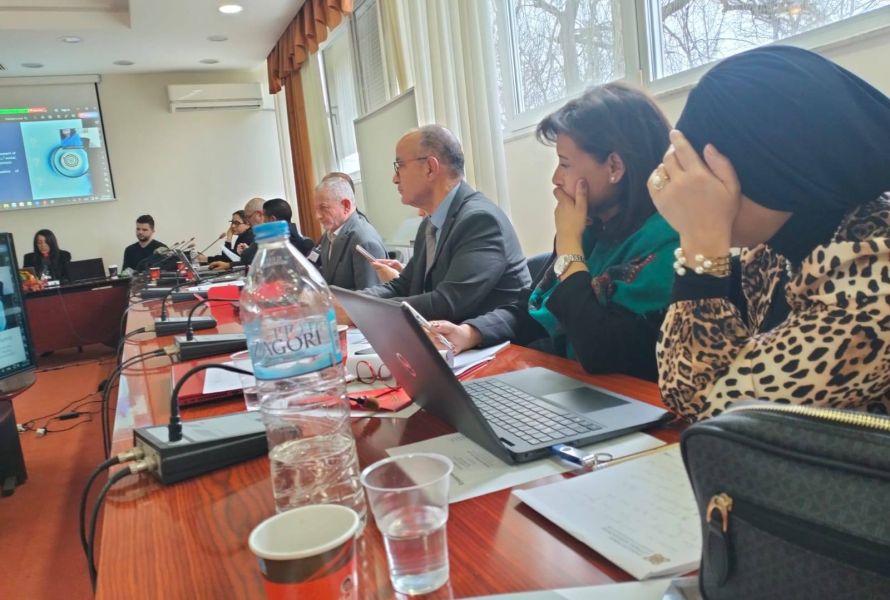
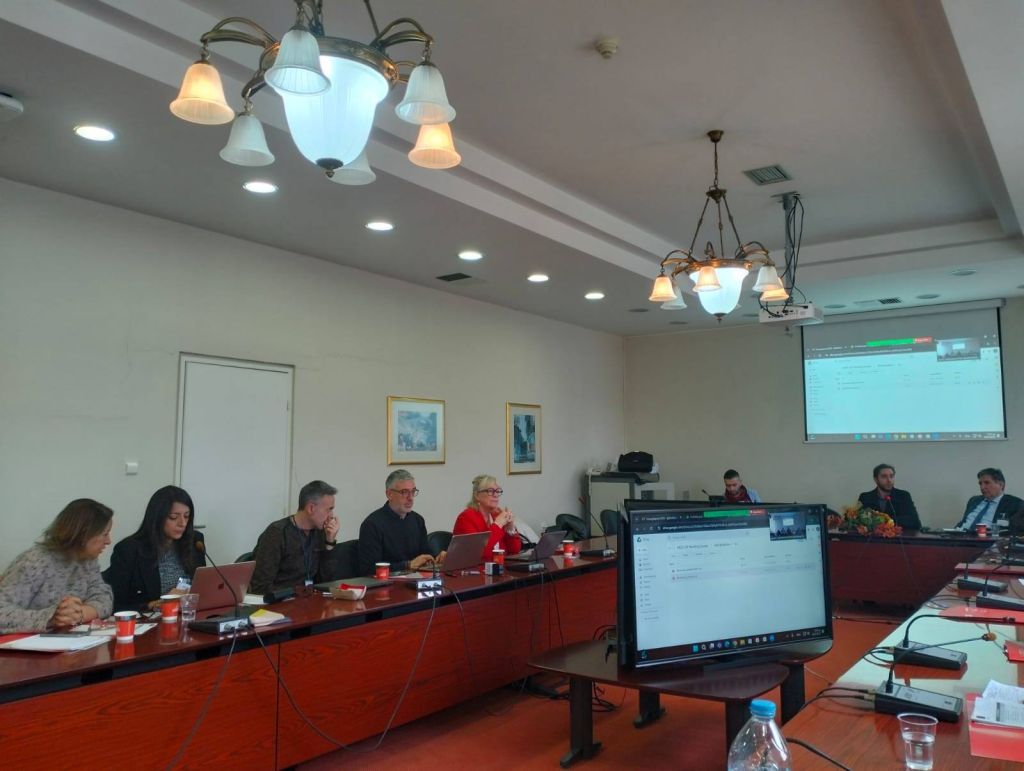
The Jordan University of Science and Technology, in collaboration with Al-Balqa Applied University, the Ministry of Higher Education and Scientific Research, and the Higher Education Accreditation Commission and Quality Assurance, organized a national workshop titled:
“The Role of Universities in Strengthening Community Engagement in the Eastern Mediterranean and North Africa Region.”
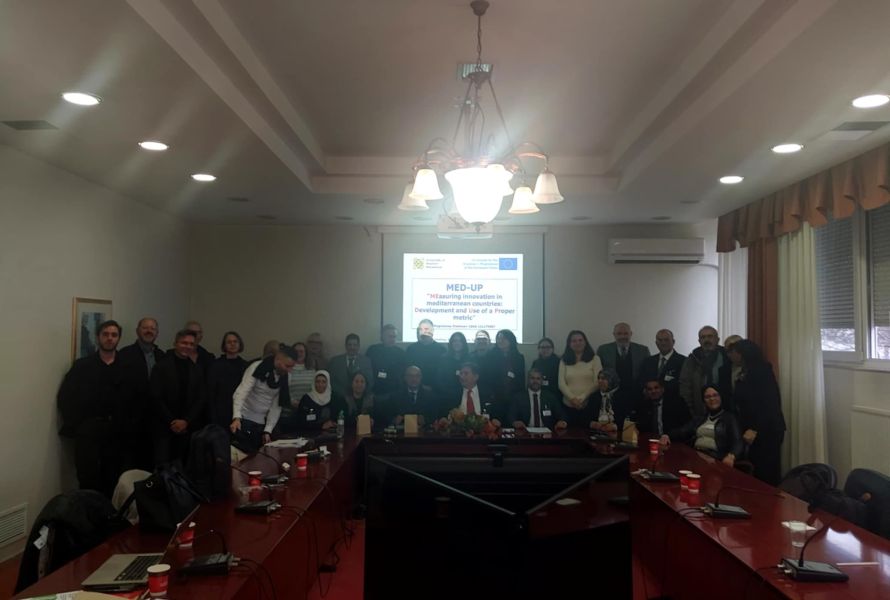
The event was held within the framework of the MED-UP Project – Measuring Innovation in Mediterranean Countries: Development and Use of an Appropriate Indicator, funded by the Erasmus+.
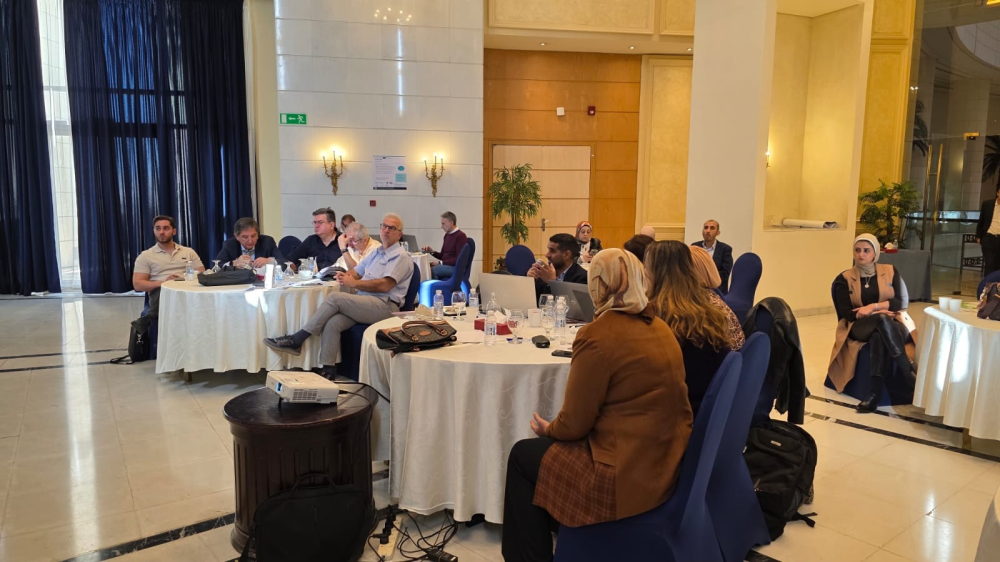
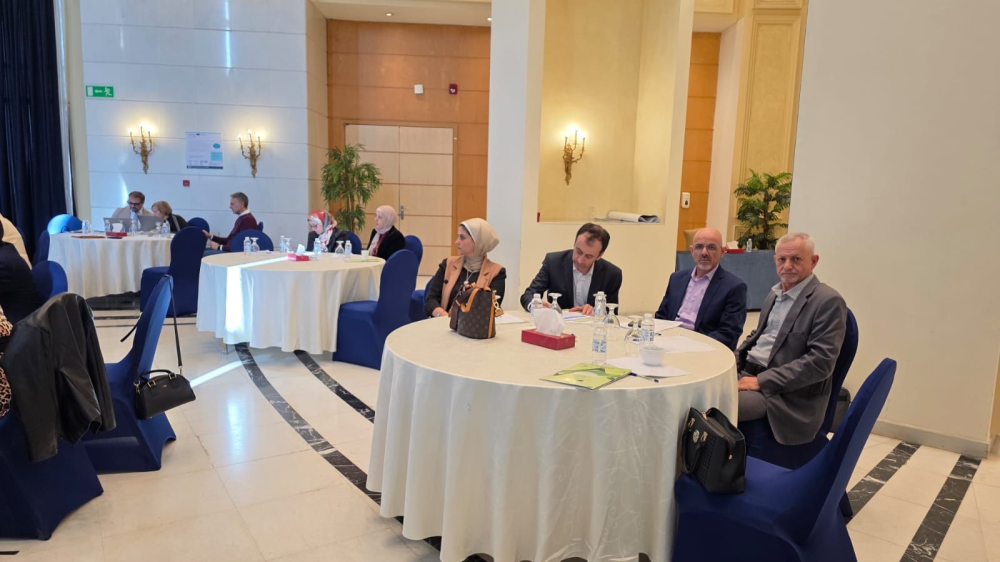
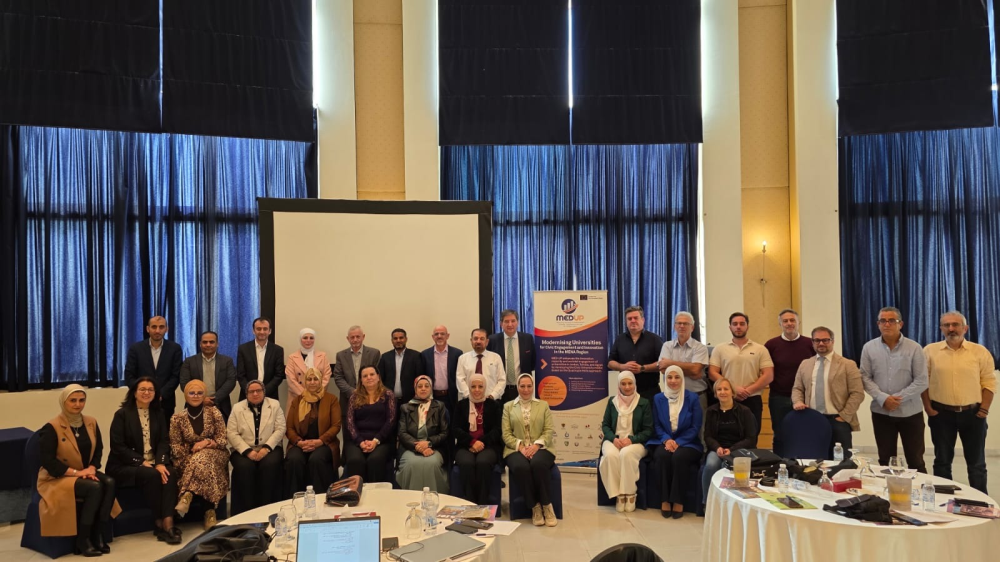
The workshop took place in Amman with broad participation from the academic and research sectors, as well as Jordanian civil society organizations. It also brought together international delegations and experts from European universities and research centers in Spain, Italy, Greece, and Belgium, alongside representatives from Tunisia and Egypt. This diverse participation provided a rich platform for dialogue and exchange of best practices on university innovation and community engagement.
The National Erasmus+ Office Director, Prof. Ahmad Abu Al-Haija, attended the workshop and opened the sessions with a welcoming address. He emphasized the importance of strengthening partnerships between Jordanian universities and European institutions, and highlighted the critical role of European Union funding in supporting capacity building and advancing research and innovation in the region.
Deans of Scientific Research from the Jordan University of Science and Technology, Al-Balqa Applied University, and Amman Arab University also participated, underlining the importance of enhancing research and development systems and aligning them with national societal needs.
Dr. Fahmi Abu Al-Rub, Project Manager at the Jordan University of Science and Technology, delivered a keynote speech outlining the workshop’s objectives and the relevance of the MED-UP project for Jordanian universities. He stressed that strengthening the “third mission” of universities—service to society and knowledge transfer—has become a national priority, as it forms a vital bridge between academic research, the economy, and society. He further emphasized that adopting the Quadruple Helix Innovation Model, which brings together universities, government, the private sector, and civil society, helps build effective innovation ecosystems capable of addressing development challenges and supporting youth and entrepreneurship.
The workshop program included technical presentations from European and Arab partners, covering an overview of the MED-UP project and its future directions, an analysis of best practices in implementing the Quadruple Helix model, and a lecture on the university’s third mission and community engagement. The sessions highlighted regional and international experiences from universities across the Arab region and the European Union. Time was also dedicated to interactive discussions, networking sessions, and the development of potential joint initiatives.
Participants highlighted several key priorities:
- Strengthening partnerships between government, universities, the private sector, and civil society.
- Supporting national innovation policies and developing tools to measure innovation performance.
- Enhancing applied research and aligning it with real societal and market needs.
- Expanding university entrepreneurship programs and empowering youth within national innovation ecosystems.
- Broadening the role of universities in sustainable development and knowledge-based economy building.
In conclusion, participating institutions reaffirmed their commitment to continued cooperation in implementing upcoming project activities and developing joint initiatives aimed at fostering innovation and strengthening higher education systems across the region.